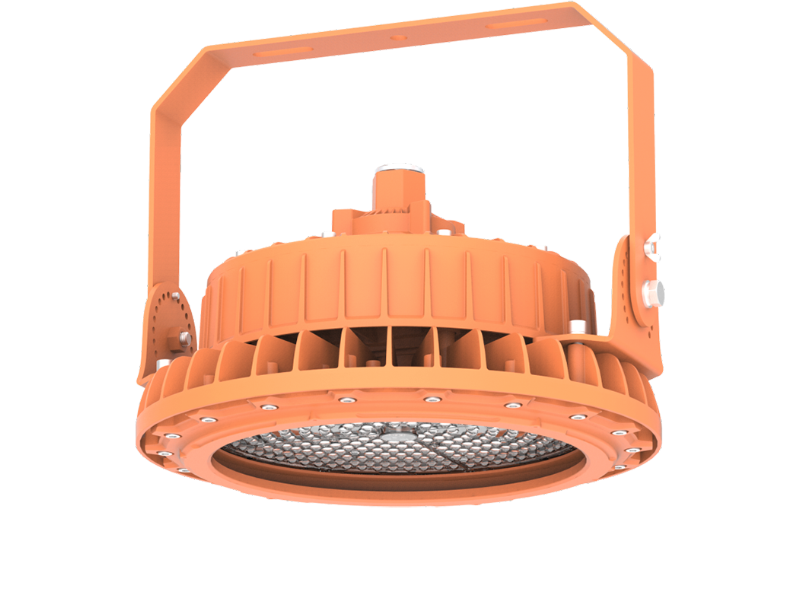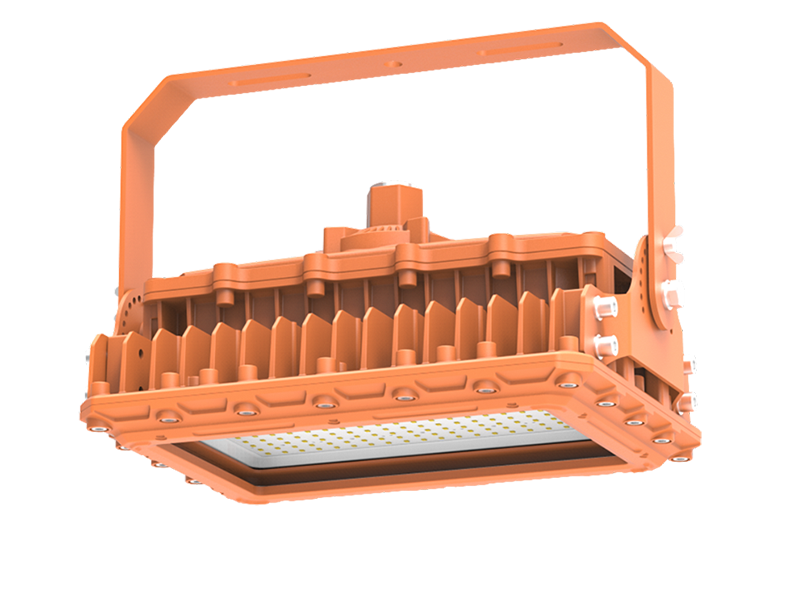

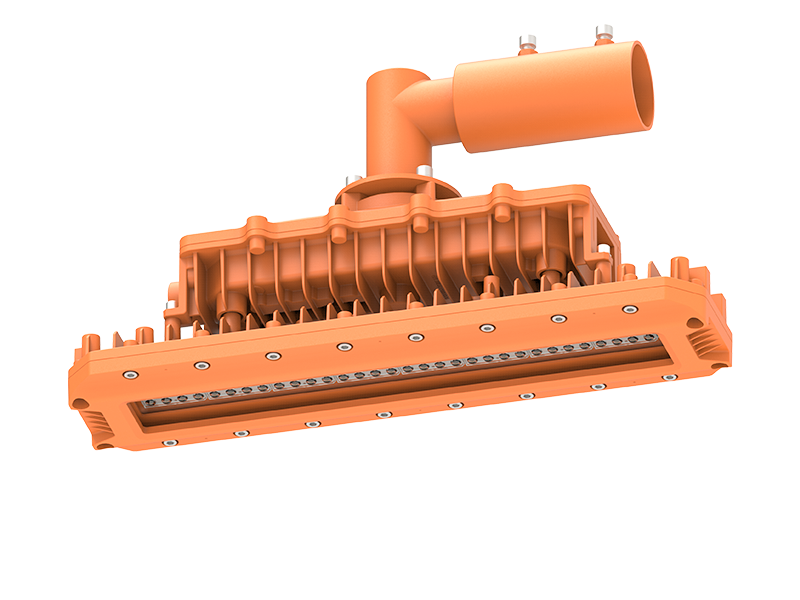
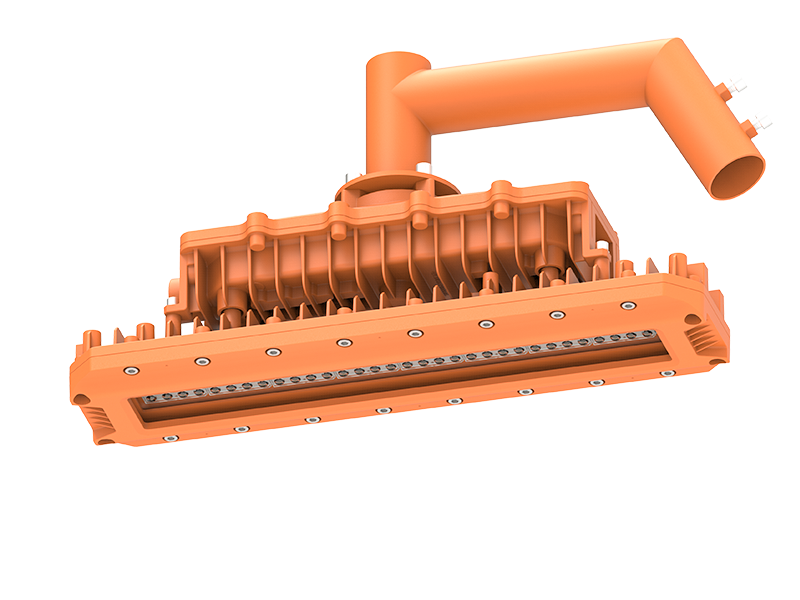
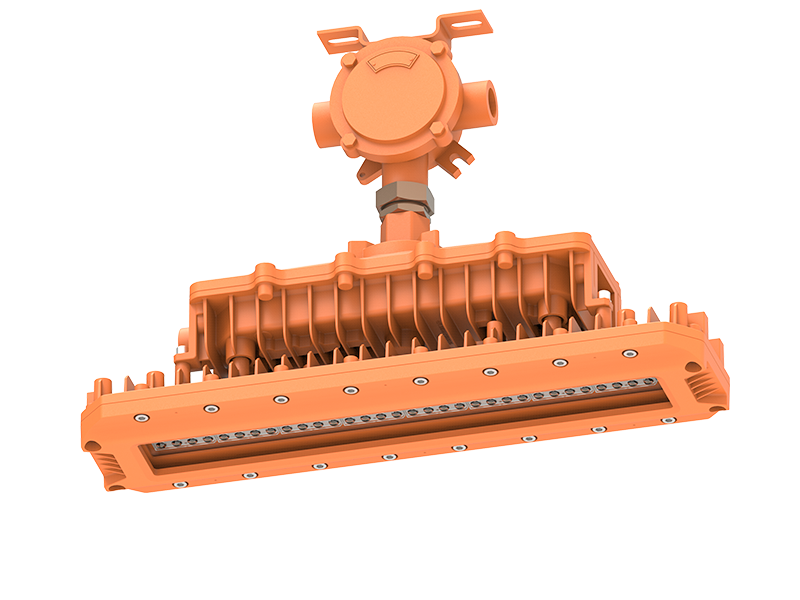
The ROKEE G5 linear LED explosion-proof light delivers broad, efficient illumination for production areas, service routes and industrial structures in hazardous locations. Available in 60W, 80W, 100W, 120W, 150W and 200W models, it reaches up to 140 lm/W.
Key Features of the G5 Linear LED Explosion-Proof Light
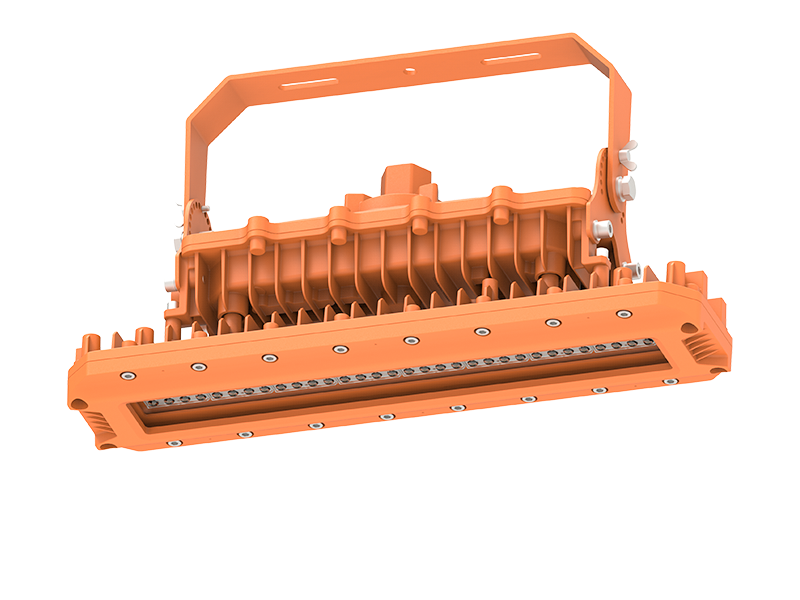
The elongated housing distributes light along aisles and working zones, while 30°, 60°, 90° and 120° optics allow the beam to be coordinated with mounting height and target area. Separate LED and driver chambers support component isolation and thermal management. ADC12 die-cast aluminum, thick tempered glass, IP66 sealing and IK10 impact protection provide durability in demanding environments.
Hazardous-Area Classification
Available certification configurations may cover Class I Division 1 and 2, Class II Division 2, Class III and selected Zone 1, Zone 2, Zone 21 and Zone 22 applications. Exact approval varies by ordered model and destination market. Verify the complete certificate and nameplate marking, including protection concept, material group, temperature class, equipment protection level and ambient range, before specifying the product.
Applications
Potential applications include refineries, petrochemical plants, drilling facilities, chemical-processing areas, paint workshops, grain-processing sites and other correctly classified industrial locations.
Technical Specifications
| Model | EP-02-G5 |
|---|---|
| Power | 60W / 80W / 100W / 120W / 150W / 200W |
| Efficacy | Up to 140 lm/W |
| Input | AC120–277V |
| Beam Angles | 30° / 60° / 90° / 120° |
| CCT | 3000K / 4000K / 5000K / 5700K |
| CRI | Over 80 |
| Protection | IP66 / IK10 |
| Housing | ADC12 die-cast aluminum |
| Lifespan | Over 50,000 hours |
| Warranty | 5 years |
How to Select an Explosion-Proof Luminaire
Begin with the formal hazardous-area documentation for the site. Identify whether the project uses a Zone or Division system, then confirm the gas, vapor or dust group, required protection concept, temperature class, equipment protection level and ambient-temperature range. The luminaire marking must meet every applicable requirement; a general statement that a fixture is explosion proof is not sufficient.
Next, calculate mounting height, target illuminance, uniformity and beam direction. Confirm cable entries, conduit system, glands, junction boxes and mounting hardware that preserve the certified protection method. Emergency operation, controls and surge protection must also be included in the approved project specification where required.
Installation, Inspection and Project Support
Installation and maintenance must be performed by qualified personnel under the applicable hazardous-location rules. Do not modify flame paths, drill unapproved openings or substitute uncertified cable glands. Inspect seals, threads, glass, fasteners, grounding and nameplates before energizing the fixture, and follow the certified installation instructions and required maintenance schedule.
ROKEE can review classification data, certificates, photometric requirements and mounting conditions before quotation. Provide the site classification, hazardous material, temperature class, ambient range, supply voltage, drawings and required local approvals for configuration review.
Explore our LED explosion-proof lights, read the ATEX zones and markings guide, review hazardous-area lighting projects, or contact ROKEE to verify certification scope and project suitability.