
How long do LED lights last? The U.S. Department of Energy says good-quality white LED…
CRI vs TLCI for Sports and Broadcast Lighting
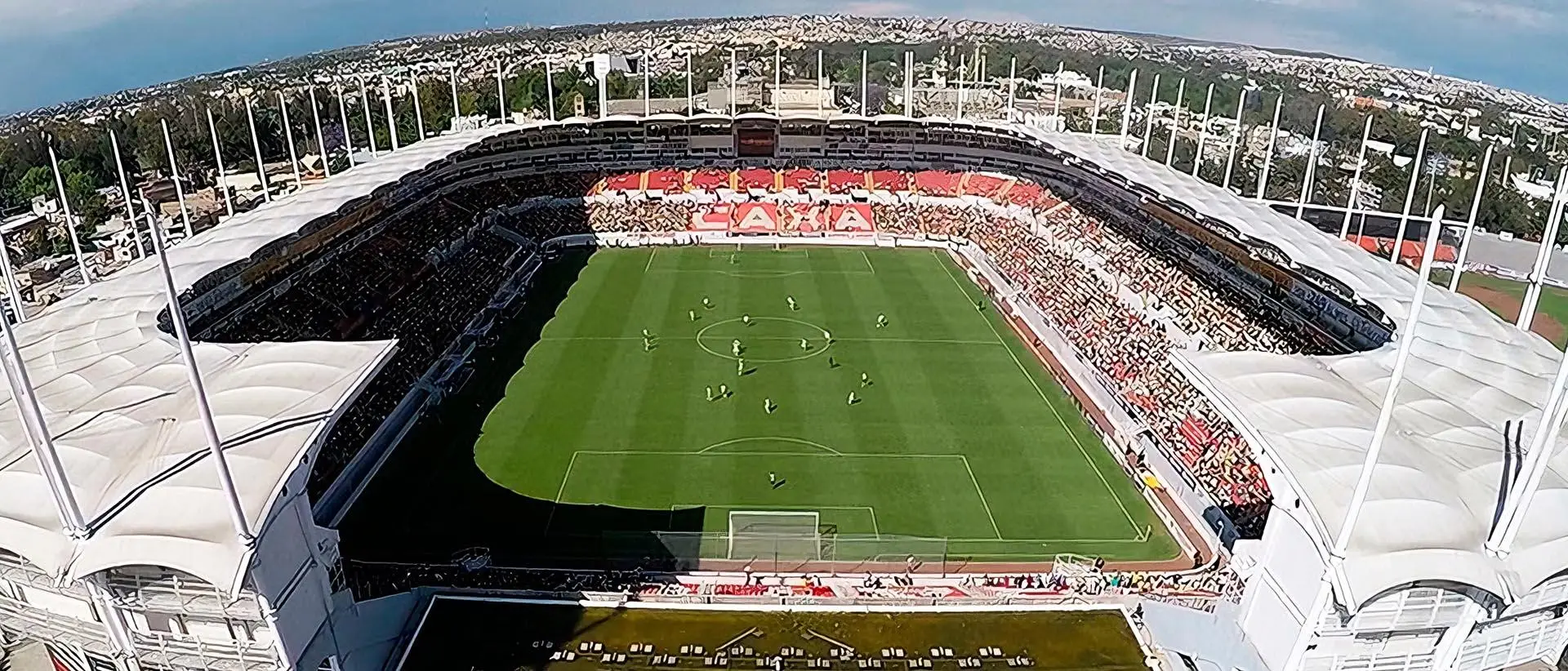
CRI vs TLCI is a comparison between two different ways of judging light-source color performance. CRI was developed around human visual color rendering, while TLCI is designed to indicate how readily a television camera system can reproduce colors under a light source. A stadium can therefore have an acceptable CRI and still require more evidence before it is approved for demanding broadcast work.
Neither metric measures illuminance, uniformity, glare or flicker. A complete sports-lighting specification treats color quality as one part of the visual and camera system.
The correct CRI vs TLCI requirement therefore follows the venue’s real production level, from human viewing only to multi-camera slow-motion broadcast.
What CRI measures
The general color rendering index, usually written Ra or CRI, compares how a test light source renders a set of colors with a reference source of the same correlated color temperature. A higher score generally indicates closer average color appearance under the method, but the single Ra value does not describe every saturated color or every camera response.
The U.S. Department of Energy’s LED basics explains that CRI remains a common measure while newer tools such as TM-30 provide additional information. The R9 value is often requested separately because strong red reproduction can matter for skin tones, uniforms, signage and the appearance of the playing surface.
For a community field without professional television, CRI may be the main color metric in the luminaire schedule. The project should still name the minimum value, CCT tolerance and any additional sample requirements instead of accepting “good color” as a specification.
What TLCI measures
The Television Lighting Consistency Index was developed for television production. EBU Recommendation R 137 uses a camera-based model and a standardized color-correction process to assess how difficult it is to obtain acceptable color from a source’s spectral power distribution. The result is expressed on a 0–100 scale.
A high TLCI value suggests that a camera system should need less correction to reproduce the test colors well. It does not guarantee that every camera, lens, white-balance setting and broadcast workflow will produce identical images. For a major venue, the broadcaster or consultant should define the acceptance method.
CRI vs TLCI at a glance
| Question | CRI | TLCI |
|---|---|---|
| Primary viewpoint | Human visual color rendering | Television camera and correction workflow |
| Common output | Ra/CRI, often with R9 or additional samples | TLCI score from spectral data and the defined model |
| Useful for | General visual quality and product comparison under the same method | Broadcast-oriented assessment of color-correction difficulty |
| Does not prove | Camera performance, flicker, illuminance or uniformity | Flicker performance, field coverage or compatibility with every camera |
The important procurement lesson is not to substitute one number for a complete review. Ask for the test basis and spectral data for the exact LED package and CCT offered.
Why identical CRI values can look different on camera
This is the practical reason CRI vs TLCI cannot be reduced to two interchangeable scores.
Two LED sources can achieve the same average CRI through different spectral power distributions. Camera sensors have their own spectral sensitivities, color matrices and processing. Gaps or peaks in the source spectrum may therefore affect certain uniform colors or skin tones differently even when the headline CRI matches.
LED binning and CCT also matter. Mixing luminaires from different production batches or installing replacement modules with a visibly different chromaticity can complicate white balance and camera matching. A professional project should set chromaticity tolerances, replacement policy and measurement records.
Do not confuse color quality with flicker
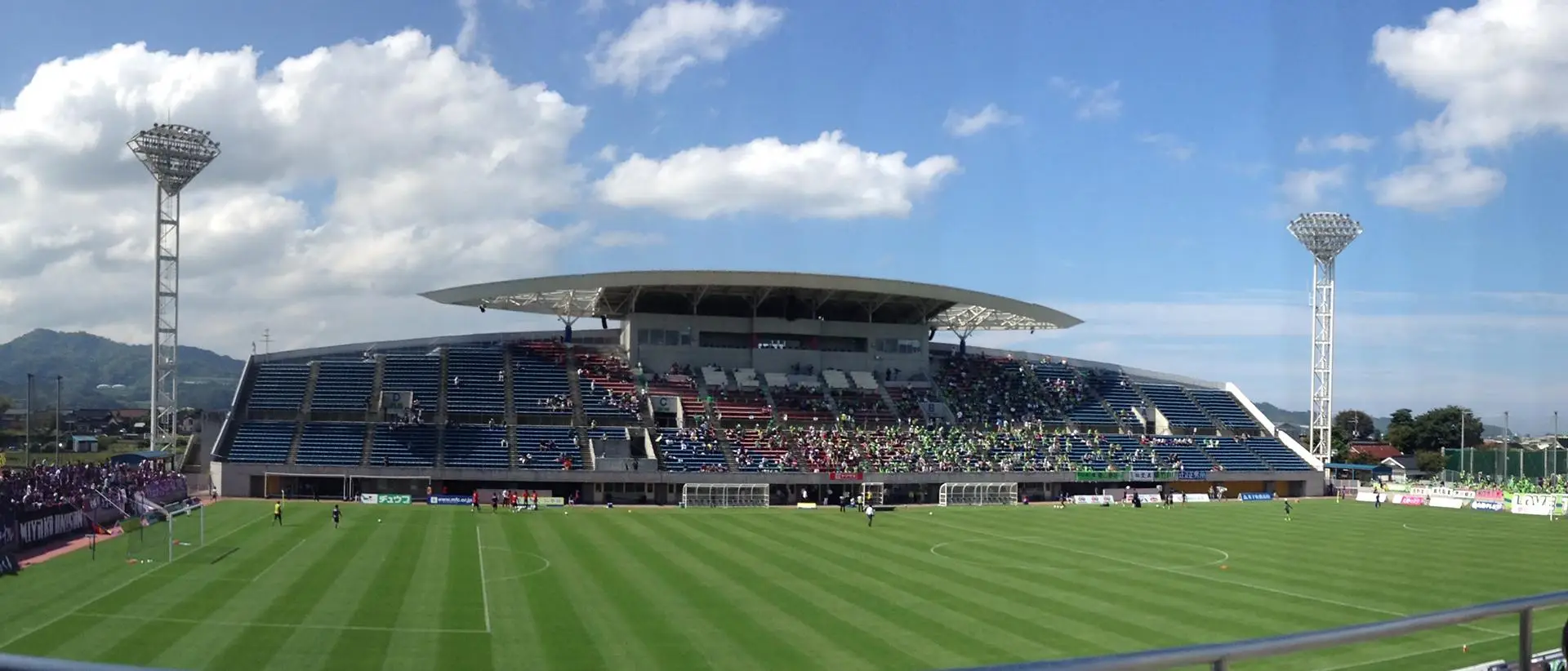
CRI and TLCI are color metrics. High-speed cameras also require stable temporal light output. A luminaire can have excellent color performance and still produce banding or exposure variation if the driver modulation is unsuitable for the frame rate, shutter angle or dimming level.
Use our separate flicker-free stadium lighting guide to specify camera tests and dimming conditions. For televised sport, color and flicker should be verified together at the planned operating levels, not just at full output.
How to specify color performance by venue level
Use the following CRI vs TLCI approach to avoid over-specifying a training ground or under-specifying a televised arena.
Recreation and non-broadcast training
Priorities are usually safe visibility, uniformity, glare control and reasonable color recognition. A clearly stated CRI and CCT may be sufficient, subject to the applicable sport and local standard. Avoid paying for a broadcast metric that the venue will never use unless it supports another documented need.
Club competition and streaming
Streaming cameras, electronic scoreboards and social-media production make color consistency more important even without a national broadcaster. Request CRI, R9, CCT tolerance and available TLCI or spectral evidence. Test the proposed fixture with representative cameras where image quality is part of the venue brief.
Professional broadcast
The broadcaster or lighting consultant should define the CRI/TLCI thresholds, vertical illuminance toward camera positions, flicker criteria, color consistency and commissioning measurements. Mock-up testing can reveal issues that a data sheet cannot. The final acceptance plan should include dimmed scenes used for introductions, entertainment or energy-saving operation.
Supplier documents worth requesting
A supplier should support the proposed CRI vs TLCI values with traceable data for the actual LED, CCT and production configuration.
- CRI/Ra and relevant special color samples, including R9 where specified.
- TLCI results and the test method for broadcast projects.
- Spectral power distribution for each offered CCT.
- Chromaticity tolerance and production consistency information.
- Flicker measurements at full output and every required dimming level.
- IES or LDT files for the exact optical configuration.
- A sample or site mock-up when camera performance is critical.
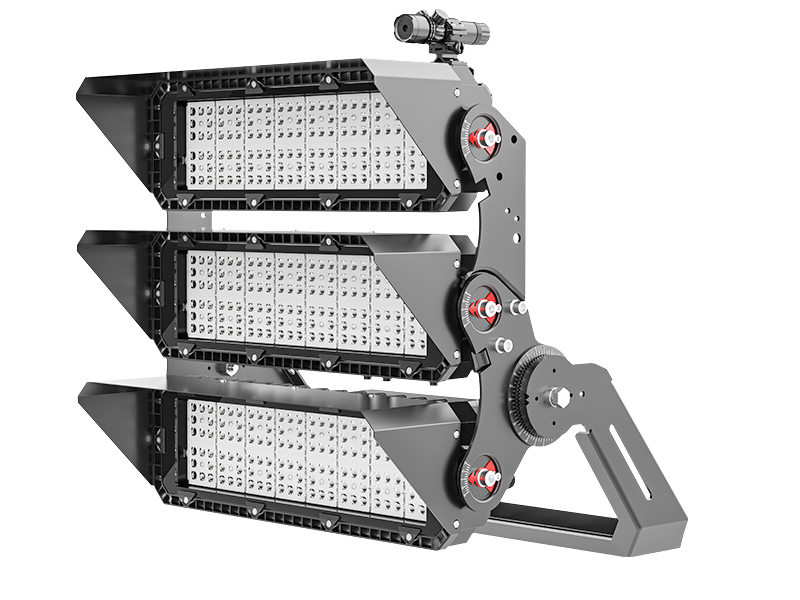
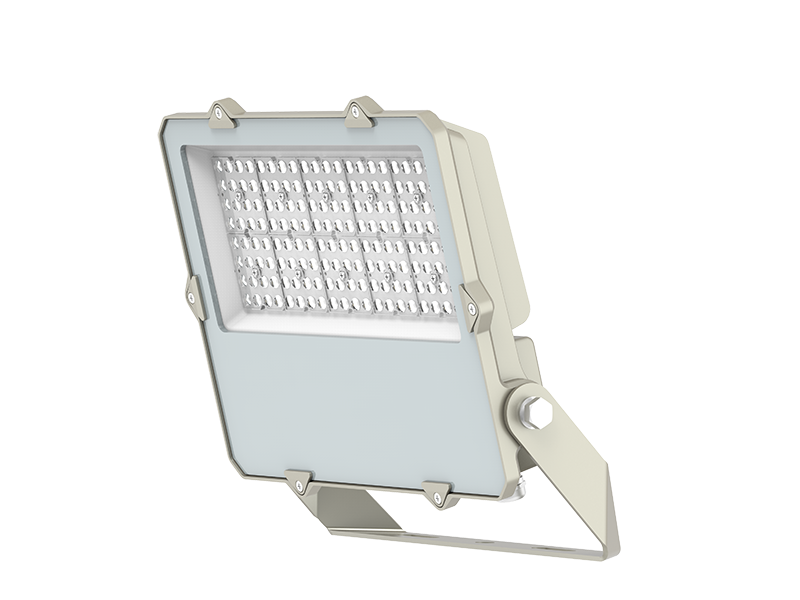
ROKEE supplies LED sports lights with project-specific power, optics and control options. Our arena DMX lighting project shows how the luminaire and control system must be planned together. Send the camera, competition level, CCT and dimming requirements through the project enquiry page so the proposed configuration can be reviewed against the actual brief.
Frequently asked questions
Is TLCI more important than CRI for stadium lighting?
For professional television, TLCI provides camera-oriented information that CRI alone does not. For non-broadcast venues, CRI may remain the more practical requirement. Major projects often specify both.
Does CRI 90 guarantee good television color?
No. It indicates strong average color rendering under the CRI method, but does not fully describe the spectrum, camera response, correction effort or production consistency.
Does a high TLCI score mean the light is flicker-free?
No. TLCI evaluates color-related camera performance. Temporal modulation and high-speed camera behavior require separate flicker measurements.
Should TLCI be tested at every dimming level?
The project should verify all important operating scenes. Dimming can affect spectral and temporal behavior depending on the LED and driver system, so critical levels should be included in testing.
What else should a broadcast sports-lighting specification include?
It should include horizontal and vertical illuminance, uniformity, glare, camera positions, flicker criteria, CCT and chromaticity tolerance, controls, emergency behavior and a commissioning method.
Related Posts