
CRI and TLCI both describe color performance, but they answer different questions. Learn how to specify LED sports lighting for spectators, players and broadcast cameras.
DALI vs DMX Lighting Control: Which System Fits?
The practical DALI vs DMX lighting control decision is about the job the system must perform. DALI-2 is built around addressable architectural lighting, device status, sensors and repeatable scenes. DMX512 is built to transmit rapid channel values to entertainment equipment such as dimmers, colour-changing fixtures and effects. Neither protocol is the universal winner.
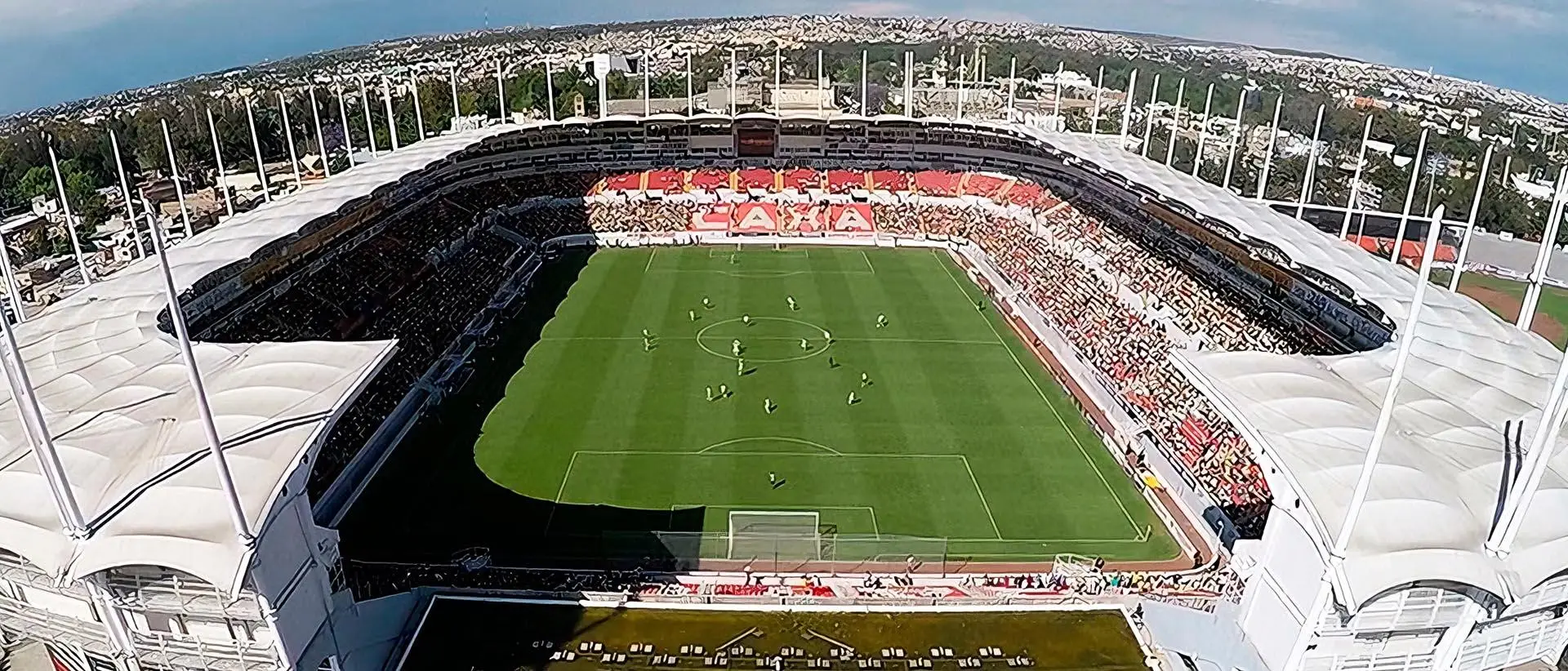
A warehouse normally values fault feedback and occupancy control. An arena show values fast, synchronised RGBW changes. A modern stadium may need both.
For this reason, a DALI vs DMX lighting control specification should begin with operating scenes, response speed and maintenance needs rather than protocol preference.
Keep that operational difference visible throughout the DALI vs DMX lighting control review.
DALI and DMX in one table
| Question | DALI-2 | DMX512-A |
|---|---|---|
| Primary use | Building and architectural lighting | Entertainment and dynamic effects |
| Control model | Addressed devices, groups, broadcast and scenes | Sequential channel values in a universe |
| Feedback | Two-way queries and status are native | Base DMX sends control data; RDM adds management feedback |
| Typical strength | Commissioning, sensors, energy and maintenance | Fast fades, colour chases and show cues |
| Typical topology | Two-wire bus per subnet | Controller-to-fixture data chain with correct distribution and termination |
What DALI-2 does well
DALI lets a controller address an individual driver, a group or every device on the bus. The DALI Alliance states that each subnet can support up to 64 control gear and 64 control devices. Control devices can include application controllers, occupancy sensors, light sensors and user inputs.
Two-way communication allows the system to query light level and fault status. Pre-programmed scenes reside in the control gear, so one scene command can recall different stored levels across a group. These features suit factories, warehouses, offices, street-lighting cabinets and ordinary stadium operation.
What DMX512 does well
ANSI E1.11 defines DMX512-A for control of lighting equipment and accessories. A packet can carry up to 512 data slots, commonly called a universe. Each slot carries a value from 0 to 255. A multi-channel RGBW fixture may use separate channels for red, green, blue, white, intensity, strobe or other functions.
The continuously refreshed data stream makes DMX a natural fit for show cues, colour fades, chases and synchronised effects. It is familiar to event operators and lighting consoles. Correct cable, isolation, splitters, connectors and termination are essential on a permanent installation.
DALI vs DMX lighting control for dimming
DALI is designed for precise, repeatable architectural dimming and stored fades. DMX is better when output values must change rapidly and in sequence. A DALI scene might set training mode, cleaning mode or half-field operation. A DMX cue might run a goal celebration across hundreds of RGBW channels.
Do not compare protocols without checking the driver. The luminaire must support the required interface, dimming range, fade behaviour and minimum output. A protocol label alone does not guarantee smooth video performance.
Feedback, diagnostics and maintenance
DALI’s bidirectional communication is valuable where the facilities team wants lamp or driver status. D4i extends the DALI ecosystem with luminaire, energy and diagnostics data when supported by certified devices. This can simplify planned maintenance, although the building-management interface still needs to be designed.
Standard DMX512 is primarily a control stream. Remote Device Management, ANSI E1.20, can add discovery, addressing and status over compatible hardware. If diagnostics are required, write RDM support into the specification instead of assuming every DMX fixture provides it.
In a DALI vs DMX lighting control plan, required feedback should be listed point by point so that basic DMX, RDM and DALI capabilities are not treated as interchangeable.
Network size is not just 64 versus 512
The numbers describe different things. DALI addresses devices on a subnet; DMX slots represent control parameters. One RGBW luminaire can consume several DMX slots, while one DALI address may control a driver with stored scene behaviour. Count actual devices, channels, sensors and gateways.
Also plan cable routes, maximum permitted loading, voltage drop or signal integrity, isolation, spares and controller failure modes. Large systems use multiple DALI subnets or DMX universes joined at a higher network layer.
This is why a DALI vs DMX lighting control schedule should count devices and functions, not compare headline numbers alone.
When a hybrid stadium system is better
A hybrid design keeps dependable operational lighting separate from event effects. DALI or another building protocol can handle normal match, training, cleaning and energy schedules. DMX can control RGBW show modes. A gateway or supervisory controller may coordinate them, but the emergency and safe-playing states should not depend on a show console.
This DALI vs DMX lighting control architecture also gives facility teams a stable everyday system without limiting the event operator’s creative programming.
Define priority. If a fire alarm, broadcast requirement or operator command conflicts with an effect cue, the system must know which state wins.
Cybersecurity and commissioning
Neither field bus should be treated as a complete cybersecurity strategy. Where gateways touch an IP network, segment the lighting system, control remote access, change default credentials and document firmware. Keep a recovery copy of addresses, groups, channel maps and scenes.
Commission every control path at full and minimum output. Test power recovery, cable failure, controller failure, emergency override, sensor timing and manual operation. For stadiums, record high-speed video under each match and show scene.
A complete DALI vs DMX lighting control handover should include addresses, channel maps, scene files, backups and a tested recovery procedure.
DALI vs DMX lighting control selection checklist
Use the following questions to turn the DALI vs DMX lighting control comparison into an auditable project decision.
- Is the priority energy management or live visual effects?
- Are individual device status and fault reports required?
- How many drivers, sensors and DMX channels are needed?
- What is the required fade speed and minimum dimming level?
- Does the selected luminaire have a verified compatible driver?
- Who operates, maintains and backs up the programming?
- Which mode takes priority during a fault or emergency?
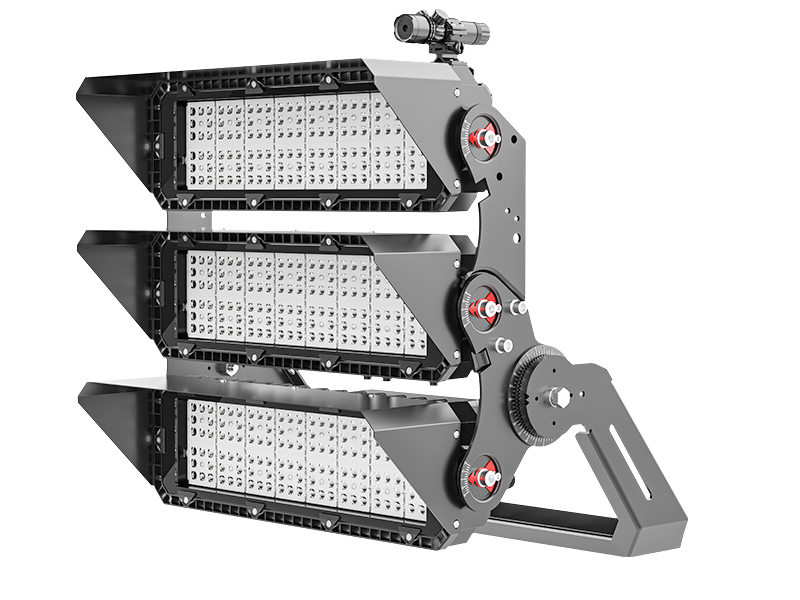
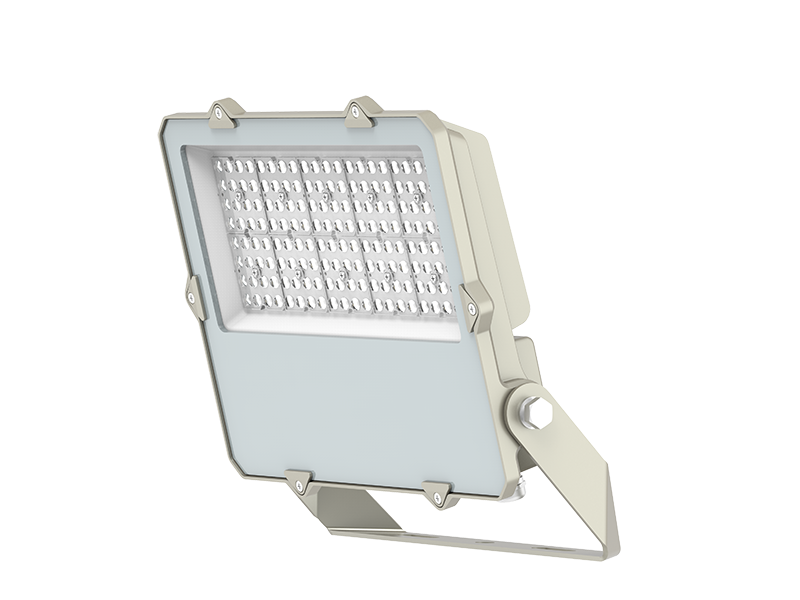
See the ROKEE arena DMX smart lighting upgrade and G23 RGBW LED stadium light. For a control schedule and channel plan, send the fixture quantities, scenes, interface requirements and operator workflow.
Frequently asked questions
Is DALI better than DMX?
DALI is usually better for addressable building lighting and feedback; DMX is usually better for rapid effects and colour control. The application decides.
Can DALI control RGBW lights?
Yes, compatible DALI colour-control gear can support colour functions. DMX remains common where live show programming and fast channel changes are central.
How many lights can DMX control?
A universe has up to 512 slots, not 512 guaranteed fixtures. Divide the slot count by the channels each fixture uses and allow for the intended map.
Does DMX provide fixture feedback?
Base DMX512 sends control values. Compatible RDM equipment adds discovery, configuration and monitoring functions.
Can a stadium use both DALI and DMX?
Yes. A hybrid system can separate normal facility scenes from RGBW event effects, provided priorities and failure behaviour are clearly defined.
Authoritative references
Related Posts