
ATEX is EU law. IECEx is a voluntary international certificate built on the same IEC…
Best Explosion Proof LED Lights for Hazardous Areas
The explosion proof LED lights for hazardous areas worth buying are the ones whose certification, zone compatibility and environmental ratings match the actual installation. In environments where flammable gases, vapors or combustible dust are present, a fixture is safety equipment first and lighting equipment second. This guide explains what “best” means in this category and how to verify it before ordering.
The evaluation sequence is fixed: certification first, zone and temperature class second, environmental protection third, and only then photometric and commercial factors. Reversing this order is how non-compliant fixtures end up on site.
Certification Comes First
Genuine hazardous-location luminaires carry certification from a recognized body. The main frameworks are ATEX for the European Union, IECEx internationally, and the NEC classification system in North America. Certificates must be verifiable in the issuing body’s database and must match the exact model and variant, not just the product family. This is the first filter when ranking explosion proof LED lights for hazardous areas, because an uncertified fixture cannot be made compliant after purchase.
The IECEx certification scheme explains how equipment is tested and certified for explosive atmospheres, and OSHA’s hazardous locations guidance covers the North American class and division framework. When comparing the best explosion proof LED lights for hazardous areas, a supplier who cannot produce verifiable certificates for the quoted model is eliminated at this step, regardless of price or performance claims. Our ATEX explosion proof lighting guide goes deeper into the marking system.
Match the Light to the Zone
Zones describe how often an explosive atmosphere is present. Zone 1 and Division 1 locations need equipment certified for frequent exposure; Zone 2 and Division 2 areas, where gas appears only abnormally, permit a wider range of certified products. Combustible dust areas carry their own zone and rating requirements, including housings that exclude dust and limit surface temperature.
Installing Zone 2 equipment in a Zone 1 area is a compliance failure even if the fixture looks identical. Request the site’s area classification drawings and confirm each fixture’s zone marking against them before purchase. Most projects that compare explosion proof LED lights for hazardous areas find the zone decision splits the shortlist quickly, because not every certified product family covers all zones.
Temperature Classes and Gas Groups
Every certified fixture carries a maximum surface temperature marking (T-code) and a gas group marking. The T-code must stay below the auto-ignition temperature of every gas expected on site, and the gas group must cover the site’s substances, including hydrogen environments that require the most demanding group ratings.
These markings are not interchangeable between fixture variants. Higher-output versions of the same housing can carry a different T-code, so verify the marking on the exact configuration quoted, including any emergency or dimming options. Reputable explosion proof LED lights for hazardous areas publish the T-code per output variant; if a supplier only offers one marking for a whole family, ask which configuration it was tested on.
Corrosion, Ingress and Environmental Ratings
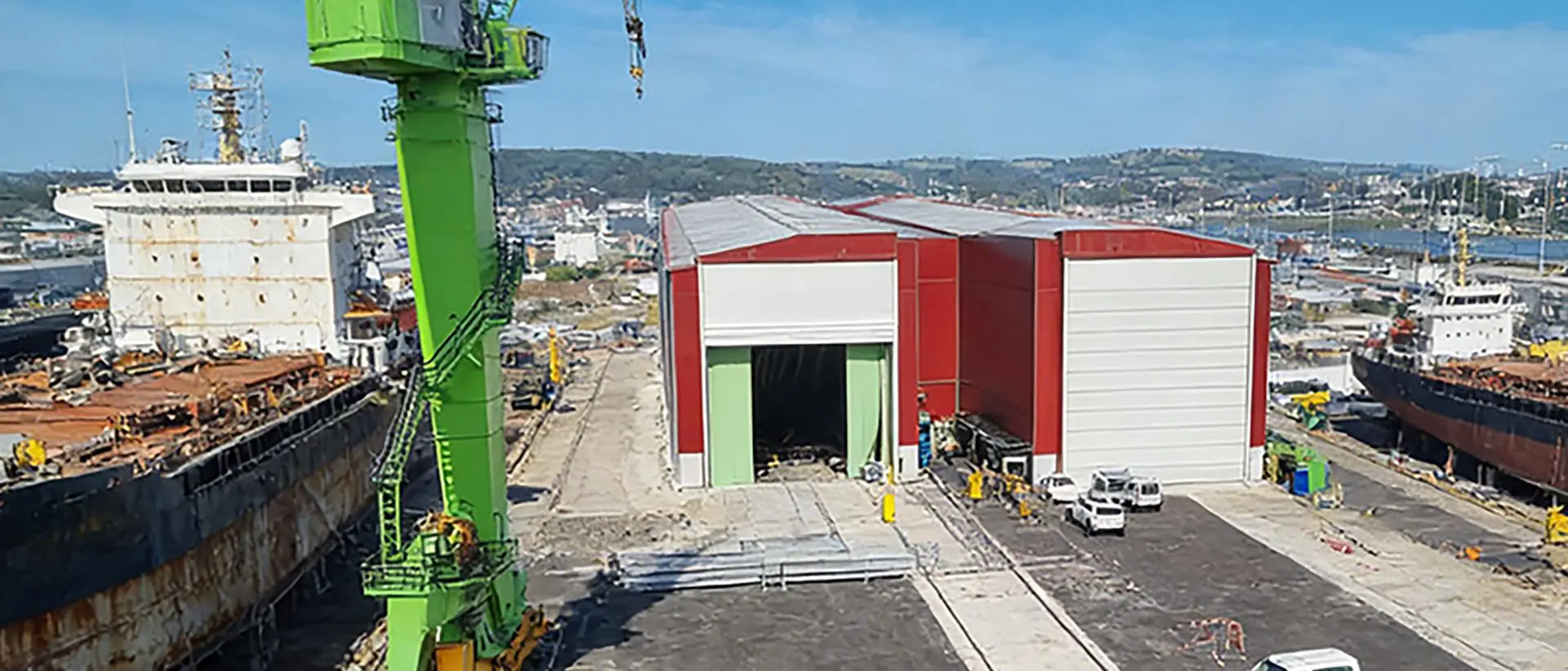
Hazardous areas frequently coincide with corrosive ones: offshore platforms, shipyards, petrochemical plants and wastewater facilities. Marine-grade aluminum, stainless fasteners, appropriate coating systems and high ingress ratings determine whether the fixture survives its certificate period. Salt spray testing, IP ratings against dust and water, and impact resistance are documented in the fixture’s test reports, which a qualified supplier will provide. Durable construction is what separates explosion proof LED lights for hazardous areas that reach the end of their service life from those replaced early.
Fixture Types by Application
- linear explosion proof fixtures for platforms, walkways and process areas;
- flood type explosion proof lights for yards, tank farms and loading zones;
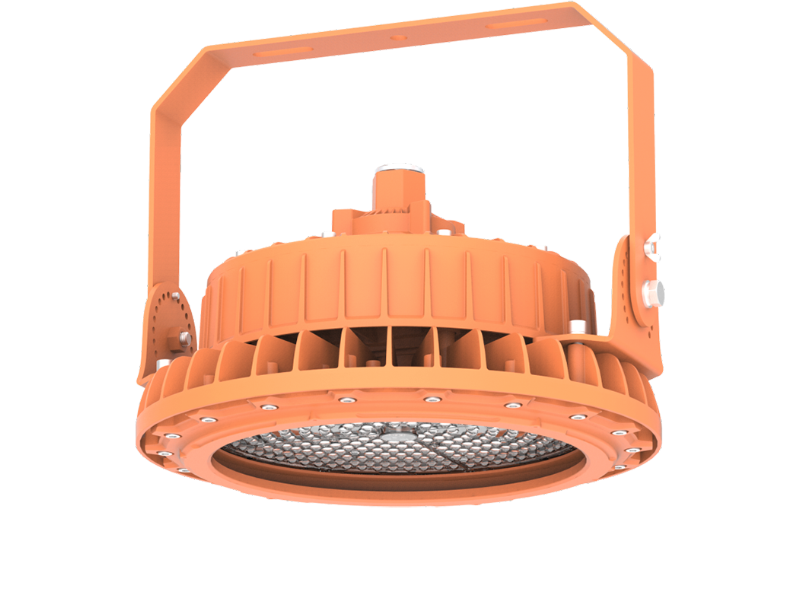
- high bay type fixtures for hazardous-area warehouses and production halls;
- emergency versions integrating battery backup for escape routes;
- portable certified work lights for maintenance operations.
Select by application, then verify certification for the specific variant. The best explosion proof LED lights for hazardous areas combine the right certification package with a housing and optical range that fit the application, rather than excelling on one factor alone. Review the ROKEE LED explosion proof light range and the explosion proof LED lights guide for selection fundamentals.
Choosing Explosion Proof LED Lights for Hazardous Areas: Final Checklist
- area classification drawings obtained and zones confirmed;
- ATEX, IECEx or NEC certificates verified for the exact model;
- T-code and gas group compatible with site substances;
- IP, impact and corrosion ratings matched to the environment;
- photometric layout confirming illuminance and uniformity;
- mounting, cable entry and maintenance access planned;
- spare parts and warranty process documented.
Are explosion proof LED lights worth the cost?
In classified areas there is no compliant alternative. LEDs additionally reduce heat, maintenance access and relamping work, which matters where opening equipment requires permits and downtime.
Specify Certified Lighting With ROKEE
ROKEE produces certified explosion proof LED lights for hazardous-area projects worldwide. Send your area classification, zone drawings and lighting requirements through the contact page for a compliant photometric proposal and quotation.
Frequently Asked Questions
What makes an LED light explosion proof?
Certified design that prevents the fixture from igniting a surrounding explosive atmosphere, typically through flamepath or enclosed-break construction, temperature limitation and robust enclosure design, verified by an accredited certification body.
Can Zone 2 lights be used in Zone 1?
No. Equipment marked for Zone 2 lacks the protection level required where explosive atmospheres occur regularly. Always match the fixture marking to the site zone.
Are explosion proof LED lights worth the cost?
In classified areas there is no compliant alternative. LEDs additionally reduce heat, maintenance access and relamping work, which matters where opening equipment requires permits and downtime.
Related Posts