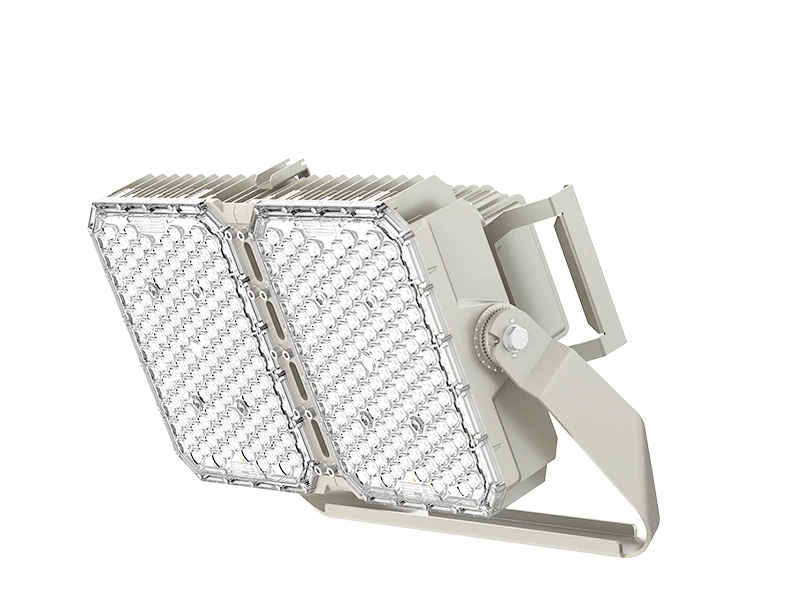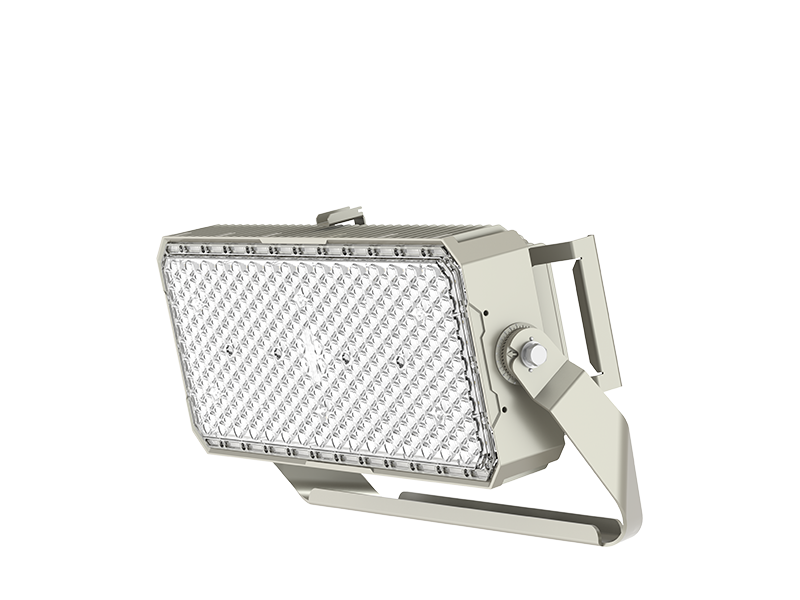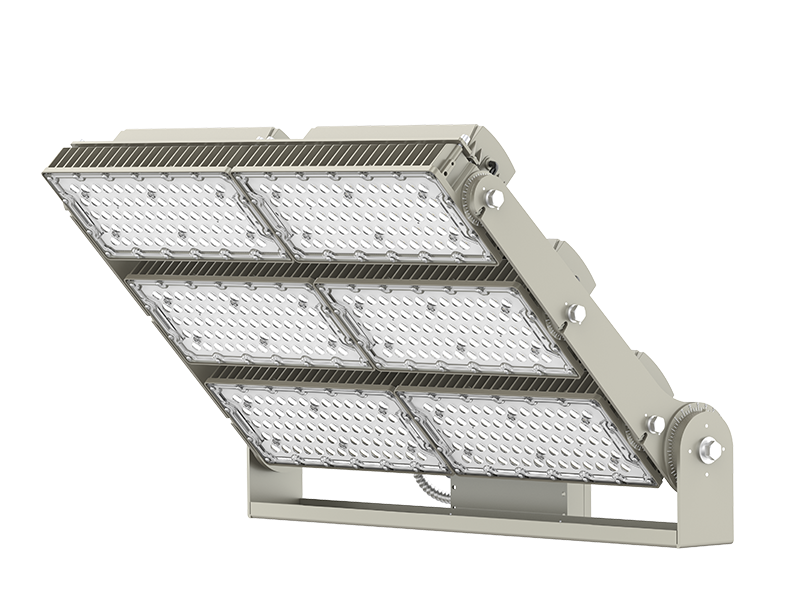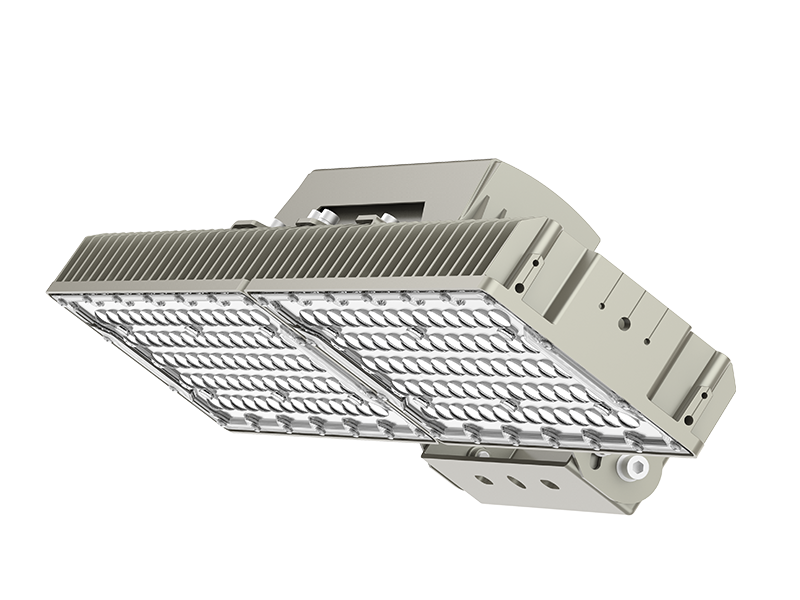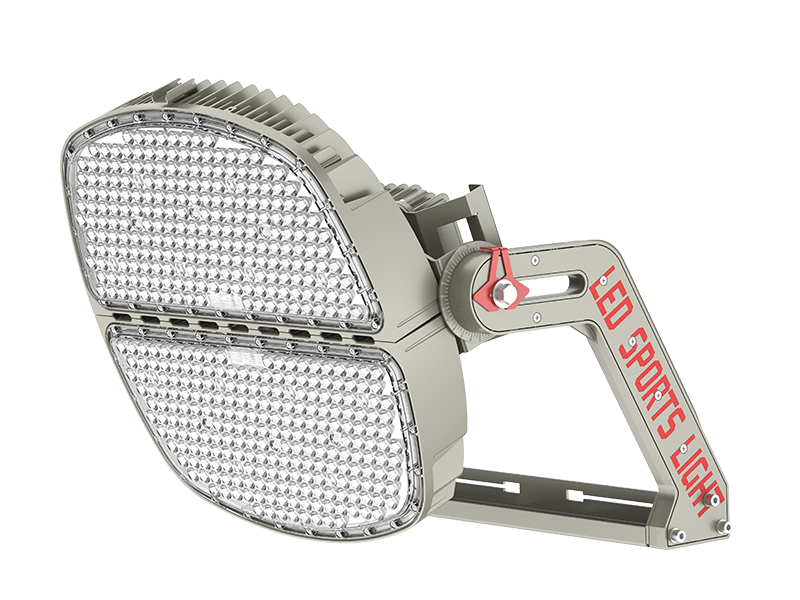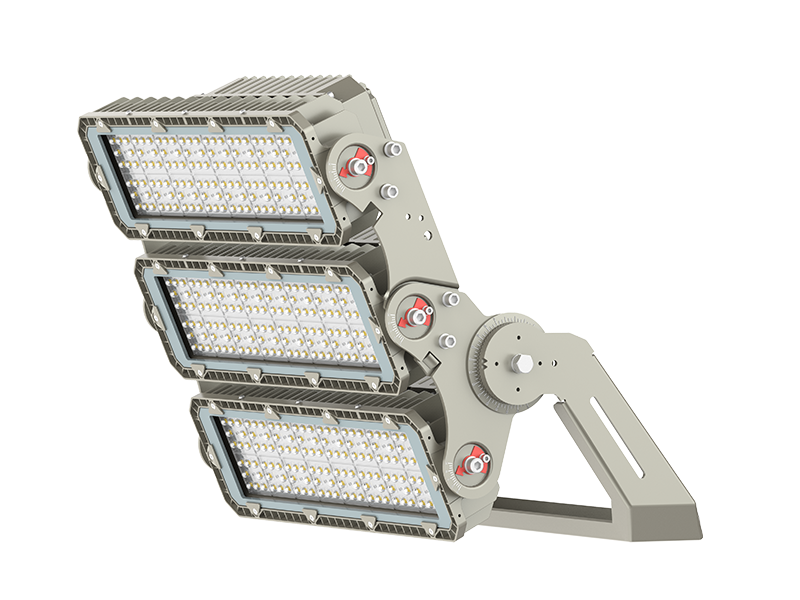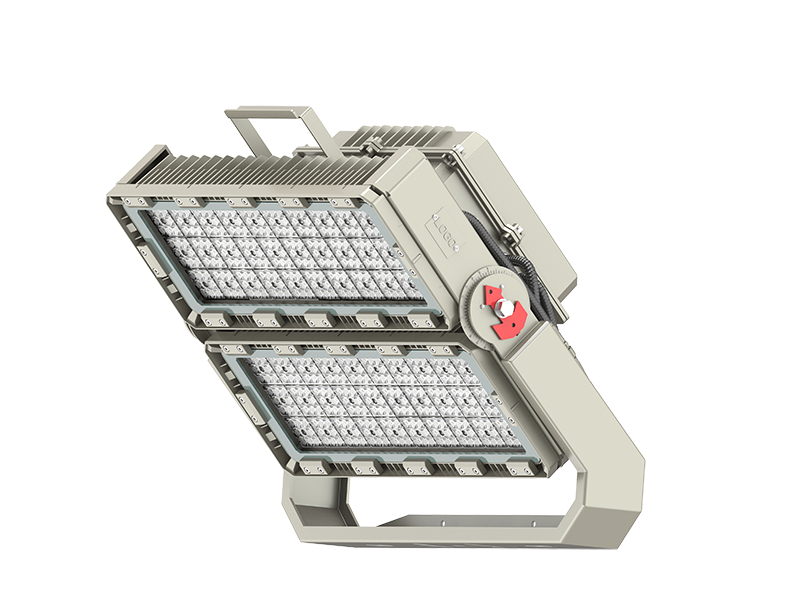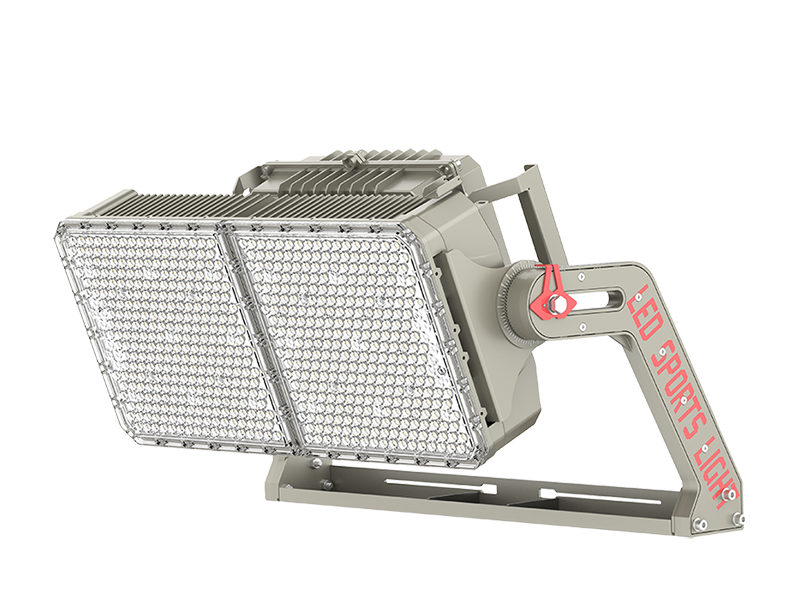
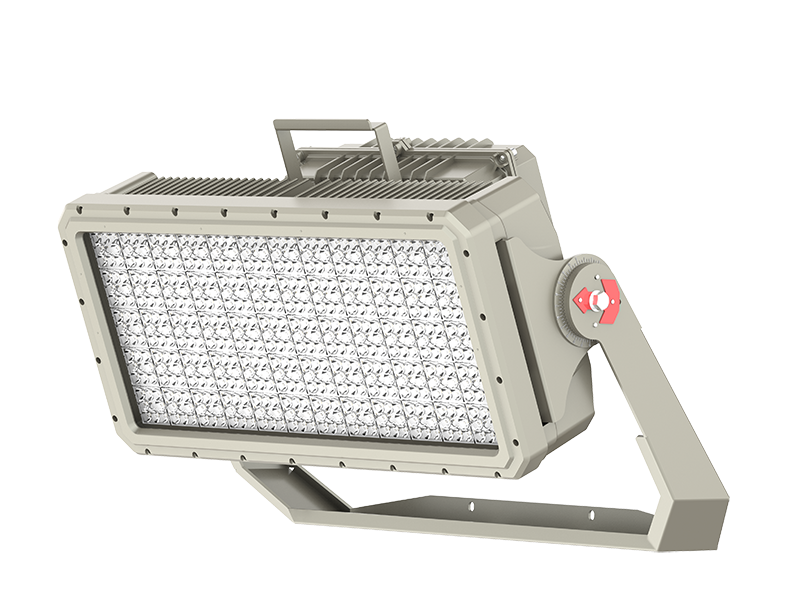
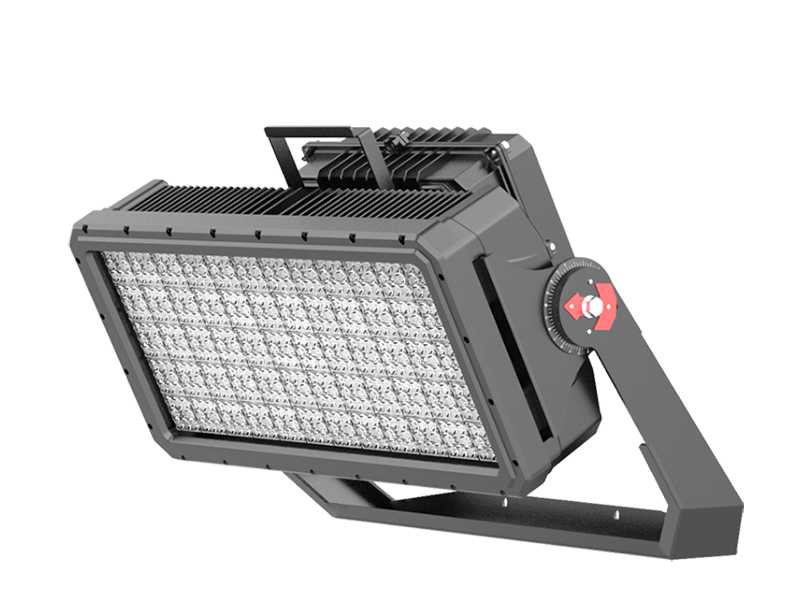
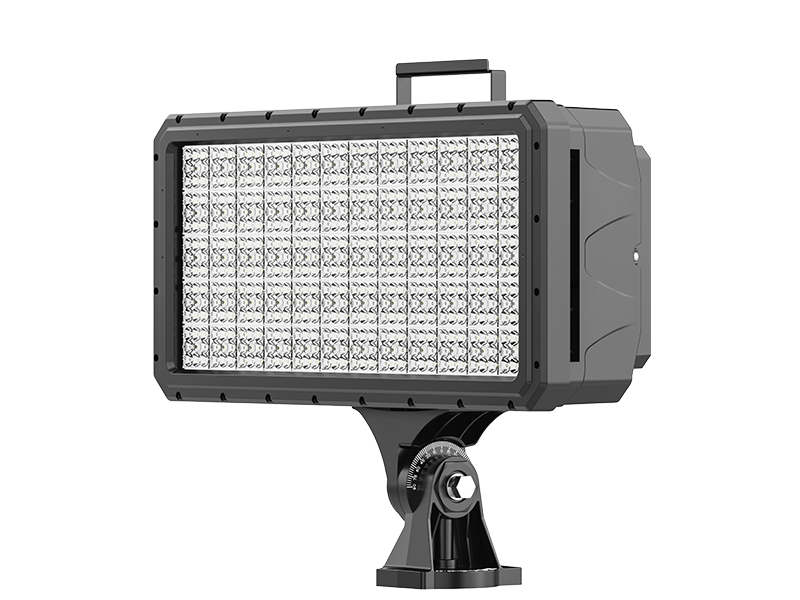
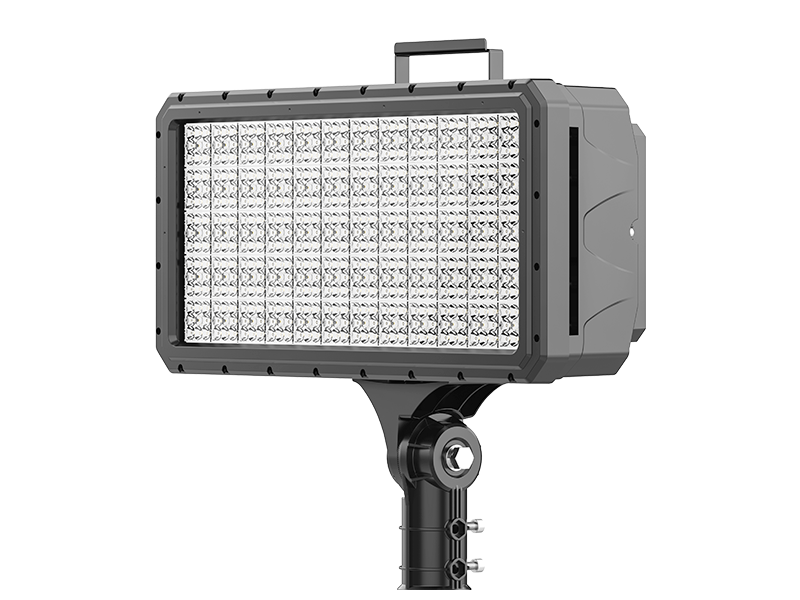
The ROKEE ROMAX LED sports light is engineered for large stadiums, airport aprons, seaports, container yards, racetracks and other extreme-output high-mast projects. Available power configurations include 1200W/1500W/1600W/2400W/3000W/3200W/3600W/4500W/4800W Input Voltage: AC120~277V/277~480V 50/60Hz, allowing designers to match light output to pole height, venue dimensions, target lighting class and project budget.
With 150Lm/W Beam Angle: 10°/15°/30°/60°/90°/T2(117*34°) system efficacy, 10°/15°/30°/60°/90°/T2(117*34°) optics and IP66 Impact Resistance Rating: IK10 / IK10 protection, this luminaire supports efficient, controlled outdoor illumination. Final wattage, fixture quantity, optical distribution and aiming angles should be confirmed through project-specific photometric calculations.
Key Features
- AL1070 cold-forged aluminum heat sink
- High-output configurations up to 4800W
- Heavy-duty mounting and remote driver options
- Multiple optics and intelligent control choices
- IP66 outdoor protection with project-specific impact rating
- 10 kV standard surge protection with optional 20 kV SPD
- Five-year warranty
Cold-Forged Aluminum for Extreme Power Density
ROMAX uses an AL1070 pure-aluminum cold-forged heat sink engineered for efficient thermal transfer at very high output levels. The platform supports individual high-power luminaires and multi-unit arrays up to 4800W for projects that require substantial lumen packages from limited mounting space.
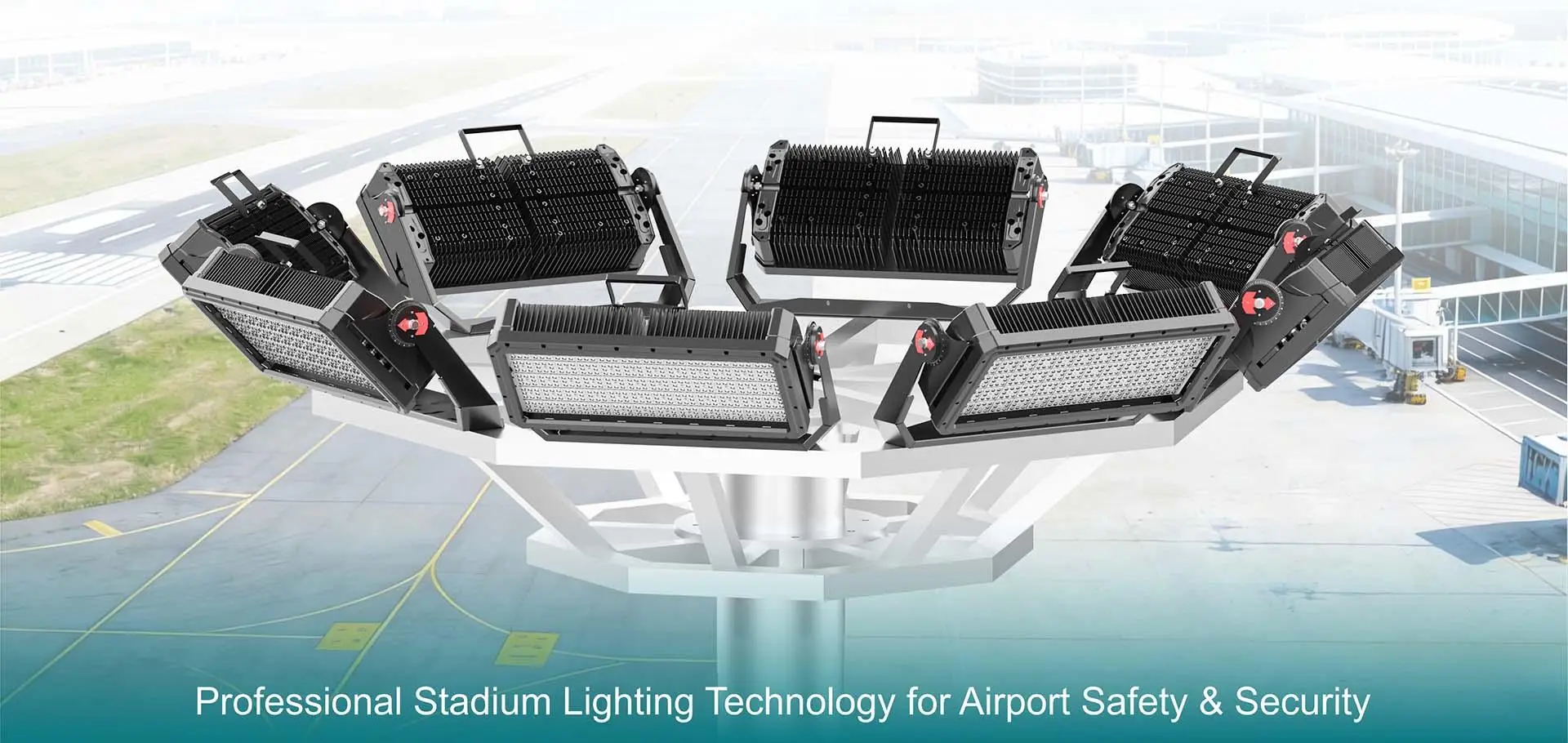
A heavy-duty bracket, separate driver arrangement and multiple optical choices support high-mast aiming and service access. The final bracket, crossarm and pole design must be checked against luminaire weight, projected area and local wind-loading requirements.
Optical Control and Glare Management
The available 10°/15°/30°/60°/90°/T2(117*34°) distributions allow the ROMAX LED sports light to serve different aiming distances and target shapes. Narrow optics can project light toward distant zones, while medium, wide or asymmetric distributions can cover areas closer to the pole and improve uniformity across rectangular playing surfaces.
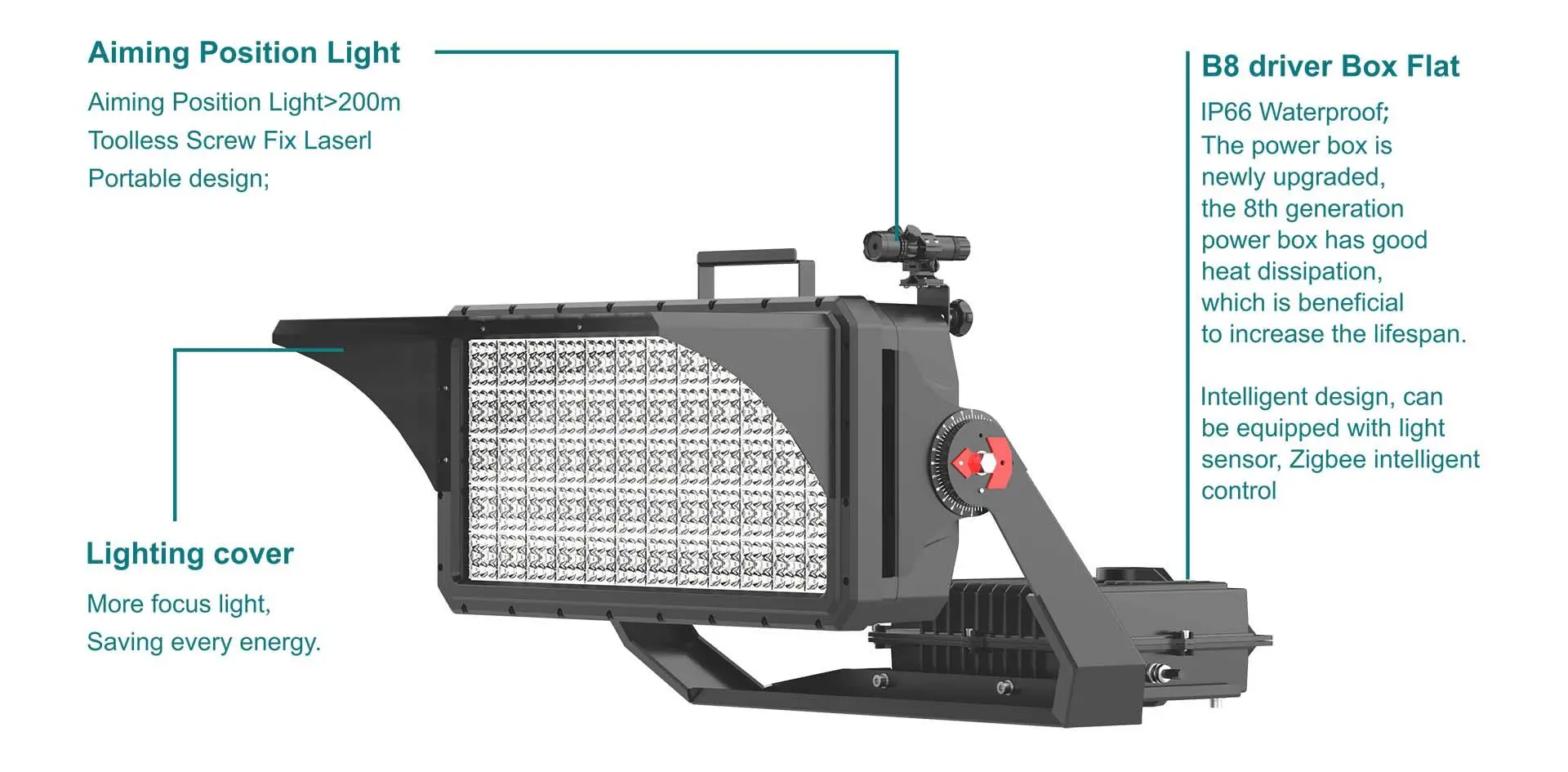
Glare shields, visors and accurate aiming should be selected according to the venue layout, spectator positions and surrounding properties. Useful light must reach the playing area without creating unnecessary upward light or spill beyond the project boundary.
Controls, Energy Management and Broadcast Planning
Control options include ON/OFF, 0-10V, DALI, DMX 512, ZigBee. Dimming and zoning can reduce energy use during training, maintenance and non-competition periods, while centralized scene control helps venue operators switch between operating modes.
Where television broadcasting or high-speed cameras are planned, confirm the complete LED and driver configuration for CRI, TLCI, flicker performance, camera frame rate and vertical illuminance. CRI 80 or CRI 90 options may improve color reproduction, but the exact requirement should be specified before production.
Outdoor Durability and Service Life
The weather-resistant housing, outdoor-grade coating and sealed electrical connections are designed for exposed sports venues. Standard 10 kV surge protection is available, with an optional 20 kV configuration for sites requiring additional protection. Operating temperature, corrosion exposure and local lightning conditions should be reviewed when finalizing the specification.
Routine maintenance should include inspection of mounting hardware, safety restraints, cable glands, surge protection and optical surfaces. Cleaning schedules depend on local dust, salt, pollution and weather conditions. Correct maintenance helps the ROMAX LED sports light maintain its designed light output and aiming accuracy.

Installation and Project Planning
High-mast lighting performance depends on the complete system. Pole strength, crossarm capacity, wind loading, cable routing, driver location and safe maintenance access must be coordinated with the luminaire layout. Installers should set each fixture to the tilt and orientation specified in the approved photometric plan.
After installation, the system should be commissioned with on-site illuminance measurements and visual checks. Small aiming corrections may be required to balance uniformity, reduce glare and account for construction tolerances, but changes should remain consistent with the design intent.
Specifications
| Power: 1200W/1500W/1600W/2400W/3000W/3200W/3600W/4500W/4800W | |
| Input Voltage: AC120~277V/277~480V 50/60Hz | Effi.: 150Lm/W |
| Beam Angle: 10°/15°/30°/60°/90°/T2(117*34°) | PF.: >0.9 |
| CCT: 3000K/4000K/5000K/5700K | CRI:70/80/90 |
| Operating Temp: -40℃~+50℃ | Storage Temp: -40℃~+80℃ |
| SPD: 10KV(Standard) / 20KV(Optional) | Water-proof: IP66 |
| Impact Resistance Rating: IK10 | Warranty: 5 Years Warranty |
| Lifespan: >100,000H | Weight: 31.0kg(68.34bs) |
| Control Optional: ON/OFF / 0-10V / DALI / DMX 512 / ZigBee |
Applications
The ROMAX LED sports light is suitable for large stadiums, airport aprons, seaports, container yards, racetracks and other extreme-output high-mast projects. It can be used in new construction or retrofit projects where existing poles and electrical infrastructure are retained, subject to structural and electrical verification.
Photometric Planning and Project Support
For an accurate proposal, provide the field dimensions, sport type, pole locations and heights, target illuminance and uniformity, lighting class, broadcasting requirements and local spill-light limits. ROKEE can recommend power, optics, quantity and aiming based on a project-specific lighting calculation.
ROKEE can also support retrofit reviews, driver selection, control planning and sample approval. Confirmed project data helps avoid over-lighting, dark zones, unnecessary connected load and unsuitable beam selections.
Explore more LED sports lights, review our sports lighting projects, or contact ROKEE for photometric planning and a project quotation.